
The best campsites in America's national parks aren't on the reservation website. They're at the end of the roads most rigs turn around on.
August is National Parks Month at RREV, and we're spending it the only way we know how — talking about the parts of the parks the brochure doesn't cover.
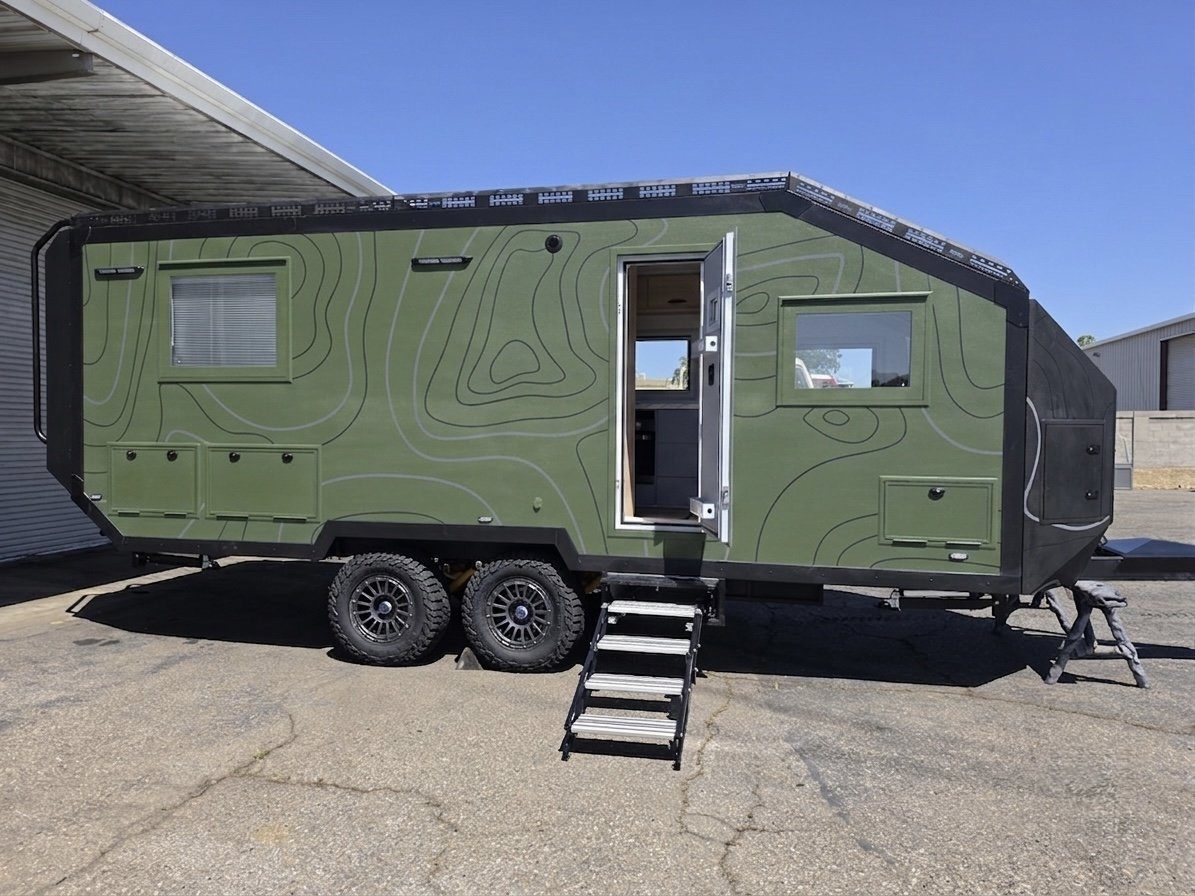
Here's the honest truth about national parks in 2026: the front country is full. The paved loops, the reservable pads, the pull-throughs with hookups — booked out six months in advance, shoulder to shoulder in July. But every one of the marquee parks keeps a second version of itself behind the pavement. Washboard roads. High-clearance two-track. Campsites with no neighbors and no cell signal. That version isn't crowded. It's just gated by capability.
That's the version we build for.
Death Valley — The Biggest Backyard in the System
Over three million acres, and more than 90% of visitors see the same three miles of it. Beyond Badwater and the dunes, Death Valley runs on dirt: Racetrack Road's 27 miles of tire-eating washboard, Saline Valley's long, lonely descent, Echo Canyon climbing into the Funerals.
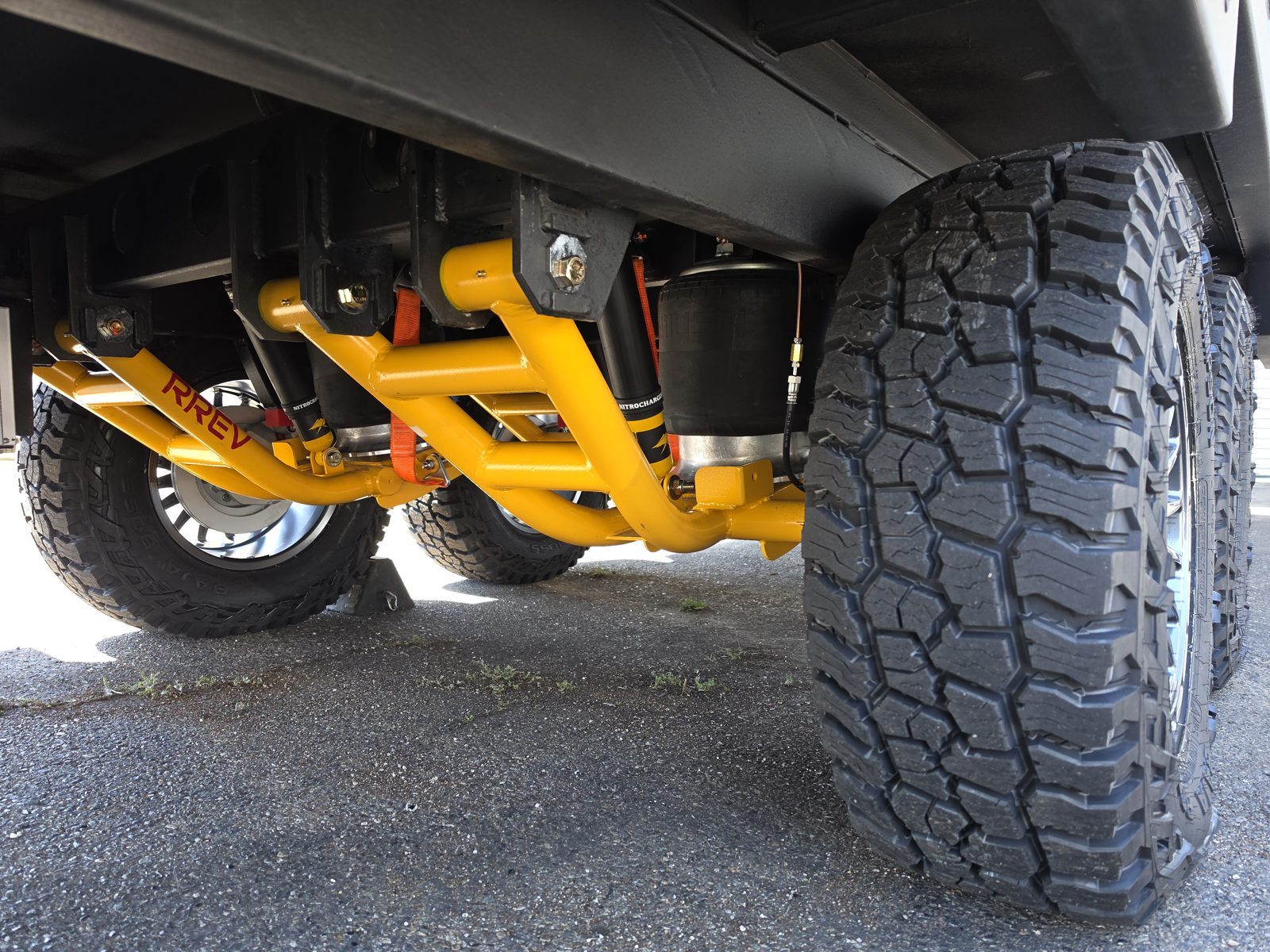
This is washboard country, and washboard is a suspension problem before it's anything else. Independent trailing arms and air springs let you soften the ride for the corrugations, then air back up for the highway home. Tandem axles spread the load when the road tips off-camber. And with the water and power to sit for a week, Saline Valley stops being a day trip you survive and becomes a basecamp you keep.
Big Bend — Where Texas Runs Out
Big Bend's River Road is 51 miles of primitive two-track along the Rio Grande, with backcountry roadside campsites you reserve by permit — not by refresh-clicking a website at 7 a.m. Glenn Springs, Paint Gate, Black Gap. Most of them sit behind clearance and length limits that filter out nearly everything towable.
This is where compact matters. An 18-foot Outland tucks into backcountry sites the big rigs can't legally hold, and its off-grid systems mean the nearest water spigot being 40 miles away is a detail, not a problem.
Canyonlands — The Permit Worth Earning
The White Rim is the crown jewel of vehicle-accessible backcountry in the park system — 100 miles of slickrock ledge road looping under the Island in the Sky. Most people run it as a hard two-day push because their equipment can't stay out longer.
Flip that. With a rig that carries its own water, makes its own power, and shrugs off the ledges, the White Rim becomes what it should be: slow. Campsite by campsite, permit nights strung together, coffee at Musselman Arch with nobody else on the mesa.
The Pattern
Every park on this list works the same way. There's a crowded version and an empty version, and the difference between them is never distance — it's capability. Suspension that eats the road in. Tanks and batteries that let you stay. A footprint that fits where the rules and the rocks say most rigs can't.
We didn't build our trailers for the campground loop. We built them for the last ten miles past it.
Next in the Parks Edition: the public land next door — why the best campsite "in" the park is sometimes just outside it.